


The unreliable narrator is cinema's most abused device. In lazy hands it is a cheat: the audience is given incomplete information not because the form demands it but because the director wants to surprise them. The shock lands once and dissolves. Nothing underneath.
The films in this guide use unreliability as argument. They are interested in why a person tells a story the way they tell it — what they protect, what they cannot face, what they need you to believe. The structural deception in each film is not a trick: it is the film's central moral proposition.
These are the films that earned it.
Watchaao Quick Decision
Want the purest narrative shell game? The Usual Suspects.
Want unreliable narration as ideology? Fight Club.
Want unreliable narration as psychological illness? Shutter Island.
Want the original, from which every other entry descends? Rashomon.
Want unreliable narration as a portrait of a marriage? Gone Girl.
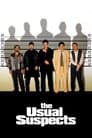
The Usual Suspects (1995)
Five criminals are brought in for a police lineup. One of them tells the story of what happened afterward. A mysterious criminal kingpin named Keyser Soze is at the centre of it.
Bryan Singer's film is the benchmark for structural unreliability — a film where the narrator is constructing the story in real time and the audience is given just enough to believe it. The ending reframes the entire film with a single piece of information. It works because the film earns every step. Watch it cold the first time. On a second viewing, the architecture is extraordinary.
Watchaao verdict: The film that made unreliable narrators mainstream. The ending still works.
Fight Club (1999)
A depressed insomniac meets a soap salesman and watches his life dismantle into something he could not have predicted.
David Fincher's film uses the unreliable narrator not as a plot device but as a critique of the ideology it depicts — the narrator's unreliability is the argument the film is making about the self, about masculinity, and about the stories men tell themselves to justify what they want to do. The twist is not a reveal: it is a diagnosis. The film remains as provocative now as it was in 1999.
Watchaao verdict: The unreliable narrator film with the most serious intellectual ambitions. The controversy is part of the text.
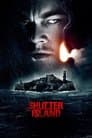
Shutter Island (2010)
A US Marshal arrives at a psychiatric facility on an island to investigate the disappearance of a patient. The investigation does not go as expected.
Martin Scorsese's film is the most formally generous entry on this list — it signals its unreliability clearly enough that a careful viewer can track it, then commits so fully to its protagonist's perspective that the intellectual awareness does not prevent the emotional impact. Leonardo DiCaprio gives one of his most physically demanding performances. The ending is constructed to hurt.
Watchaao verdict: More formally accomplished than its reputation suggests. The genre thriller disguise is deliberate.
Rashomon (1950)
A murder in a forest. Four accounts of what happened. None of them agree.
Akira Kurosawa's film invented the structural vocabulary that every entry on this list uses. The premise — that truth is constructed, that each witness tells the version that best serves their survival, their dignity, or their self-image — is not a plot twist. It is a philosophical position, and the film holds it without resolution. The term "Rashomon effect" has entered common language for a reason.
Watchaao verdict: The origin point. Everything on this list descends from it. Required viewing.
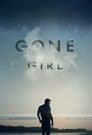
Gone Girl (2014)
A woman disappears on her fifth wedding anniversary. Her husband becomes the suspect. The film has two narrators and neither of them should be trusted.
David Fincher's adaptation of Gillian Flynn's novel is the most formally ambitious mainstream film on this list — a story told in alternating perspectives where the structure itself is the argument about marriage, media, and the performance of identity. Rosamund Pike's performance is one of cinema's great villainous turns. The film is uncomfortable in productive ways that most viewers do not fully process until after it ends.
Watchaao verdict: The film that took unreliable narration into multiplex territory and refused to simplify it for the audience.
Related Watchaao Collections
- Best Movies with Plot Twists — the canonical list of structural reveals, several of which depend on unreliability.
- Hidden Gems for David Fincher Fans — Fight Club and Gone Girl in the context of what Fincher's sensibility demands.
- Best Mind-Bending Movies Ever Made — for when unreliable narrators lead you toward more formally demanding work.






Community
Join the conversation
Native comments are planned for watchaao. For now, send your thoughts through the upcoming community channels.