


The label "slow-burn thriller" is usually applied as a mild warning — the kind of description that prepares viewers for something that will require patience before it delivers. This framing misunderstands what the best films in the category are actually doing.
Zodiac is not slow. Prisoners is not slow. No Country for Old Men is not slow. Sicario is not slow. They are precise in ways that conventional action thrillers are not. The difference is not pace. It is accumulation.
What Conventional Thrillers Do
Conventional thrillers manage tension through event rate. Something happens, then something else happens, then a bigger thing happens. The momentum is maintained through continuous stimulation. The audience is kept alert by novelty.
This works. It is a legitimate technique and it produces legitimate films. But it has a limitation: the tension only exists in the present tense. Once you know what happens, the film loses most of its grip. The events were the whole architecture.
What Accumulation Does Instead
Zodiac is a film about the Zodiac killer case that runs for over two and a half hours and does not solve the case. The film is not building toward a revelation. It is building toward a feeling — the specific feeling of spending years in proximity to something you cannot resolve, of watching evidence accumulate without cohering, of watching obsession cost people their marriages and health and clarity.
By the time Zodiac's final act arrives, the audience does not need a climax. The film has already produced the effect it was aiming for. You feel the weight of unsolved things. The open ending is not a failure of narrative. It is the argument.
This is what accumulation does: it builds something that conventional thriller momentum cannot. It builds dread as a state rather than dread as a response to individual events.
Restraint Creates More Tension Than Action
The scene in Sicario that contains the film's highest tension is the tunnel sequence — the assault on the cartel's underground corridor. Denis Villeneuve films it in near-total darkness, with thermal imaging cameras, almost without dialogue, for ten uninterrupted minutes.
Nothing is explained during this sequence. No character speaks. The camera moves forward. People die without the audience being certain who has died or what is happening or whether the mission is succeeding. The restraint is total.
This scene is more tense than virtually any action sequence in recent mainstream cinema — and it achieves that tension by removing the tools conventional action uses. No score. No editing rhythm that clarifies what we are watching. No character voiceover that orients us. Just forward movement in darkness.
Restraint, here, is not passivity. It is the removal of everything that would allow the audience to process what they are seeing and relax. The tension has nowhere to go. It accumulates.
The Threat Does Not Need to Be Present to Create Dread
No Country for Old Men's most structurally interesting choice is what it does with Anton Chigurh between his scenes.
Chigurh appears intermittently. Between his appearances, the film follows Llewelyn Moss and Ed Tom Bell moving through the aftermath of Chigurh's violence or anticipating his arrival. The threat is almost never visible. It is always present. This is the difference between dread and fear: fear requires the threatening object to be in the room. Dread is what you feel when you know the threatening object exists and is approaching and you do not know how fast.
The Coens maintain Chigurh's dread by showing you exactly what he has done — precisely, methodically, without sentiment — and then removing him from view. The audience completes the threat in every subsequent scene. They are doing the work of building their own tension.
This is a more sophisticated mechanism than keeping a villain onscreen. The audience's imagination is a more powerful instrument than any performance.
Patience Is the Film's Demand and the Film's Reward
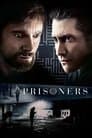
Prisoners is 153 minutes. Its central emotional question — what a desperate parent is capable of — takes 90 minutes to fully establish before the film begins to answer it.
That investment is the reason the film's final act lands the way it does. The film has not been slow. It has been building a specific architecture of moral weight, and when that weight is brought to bear on its final sequences, the effect is disproportionate to what those sequences contain as isolated scenes.
A viewer who wants the film to move faster wants it to not be Prisoners. They want a different film. The length is the film's method, not a flaw in it.
Related Watchaao Collections
- One Night Watchlist for Thriller Fans — the best single-night plan for thriller cinema including slow-burn entries.
- Movies That Do Not Waste Your Time — films that justify every minute of their runtime.
- Movies You Cannot Stop Thinking About — the slow-burn films that stay, because dread that accumulates does not simply disappear at the credits.




Community
Join the conversation
Native comments are planned for watchaao. For now, send your thoughts through the upcoming community channels.