


Certain films end and immediately become a problem you carry around. Not a pleasant problem — a structural one. Something the film did has not resolved, and you keep returning to it, trying to work out what you are actually thinking about.
Arrival does this. A Separation does this. Prisoners does this. Hereditary does this in a different register entirely. These films are not alike in genre, style, or subject matter. But they share specific mechanisms that produce the lingering effect — and those mechanisms are identifiable.
They Withhold the Resolution of an Emotional Question
Films that resolve everything — plot and emotion simultaneously — leave nothing to carry. The feeling is contained within the viewing experience and deposited there.
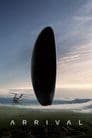
Arrival gives you the plot resolution — the linguistic breakthrough, the diplomatic crisis averted — and then returns you to the emotional question the film has been building toward: if you knew the full story of your life in advance, including its worst moments, would you still choose it? The film answers this question in its final images but does not explain the answer. You leave with the image and the question open.
A Separation resolves its legal conflict and then ends on its daughter, in a corridor, about to choose which parent to live with. The film cuts before she chooses. You spend days deciding what she decides — and realising that the film has made both answers feel equally right and equally devastating.
These films identify an emotional question that survives the plot and then refuse to close it. You continue the film after the credits because the film has not finished asking.
They Implicate the Audience
Some films ask you to witness. Others ask you to participate.
Prisoners implicates the audience in its protagonist's decisions. Keller Dover does things the film does not condemn — it presents them with full moral clarity and then keeps moving. By the second act, the audience has been watching Dover torture someone who may be innocent and has not left the cinema. The film noticed this. It has been making an argument about complicity and the things we will accept when the emotional stakes are personal.
The lingering effect is partly guilt. You identified with Dover. You wanted information as badly as he did. The film has implicated you in his methods, and sorting out what that means takes longer than the runtime.
Hereditary works in a similar but more visceral register. The film constructs a family grief so specifically real that the horror elements arrive inside it rather than alongside it. The audience has been made to care about these people in the exact register of real relationships — and then the film does what it does. The horror is not separable from the grief. Sorting out which response is appropriate, or whether the distinction matters, is work the film assigns to the days after.
They Operate on Two Registers Simultaneously
The films that stay are usually about two things at once, and the two things are not the same scale.
Arrival is simultaneously about first contact with an alien civilisation and about a mother's relationship with her daughter and her daughter's death. The science-fiction frame does not contain the personal one. They run in parallel, and the meaning of one keeps revising the meaning of the other.
A Separation is simultaneously about a divorce case in the Iranian legal system and about what honesty costs when the stakes are high enough. The legal plot is specific and precise. The moral questions are universal. Neither level of the film resolves the other.
When a film is operating on two registers simultaneously and neither resolves the other, the audience is left holding both threads. You cannot put the film down because you are still trying to find the connection between them.
They Trust Silence
The films that linger rarely over-explain.
Arrival's final sequence communicates through image and music — the infant, the lake, the recognition in Louise's face — without dialogue that explains what we are watching. The information is available. The emotional experience of receiving it is not narrated.
A Separation's corridor ending is silence and a face and a cut. The film has given you everything you need to understand what the silence means. It does not spend it.
Prisoners closes on a sound — a whistle barely audible, underground — and cuts to black. The rescue is possible. Whether it happens is yours.
Films that trust you to complete them become yours in a way that films which complete themselves cannot.
Related Watchaao Collections
- Movies You Cannot Stop Thinking About — the full list of films that generate this effect.
- Best Mind-Bending Movies Ever Made — the films built to keep generating thought.
- Movies to Watch When You Want a Strong Ending — films that invest in how they close.








Community
Join the conversation
Native comments are planned for watchaao. For now, send your thoughts through the upcoming community channels.