
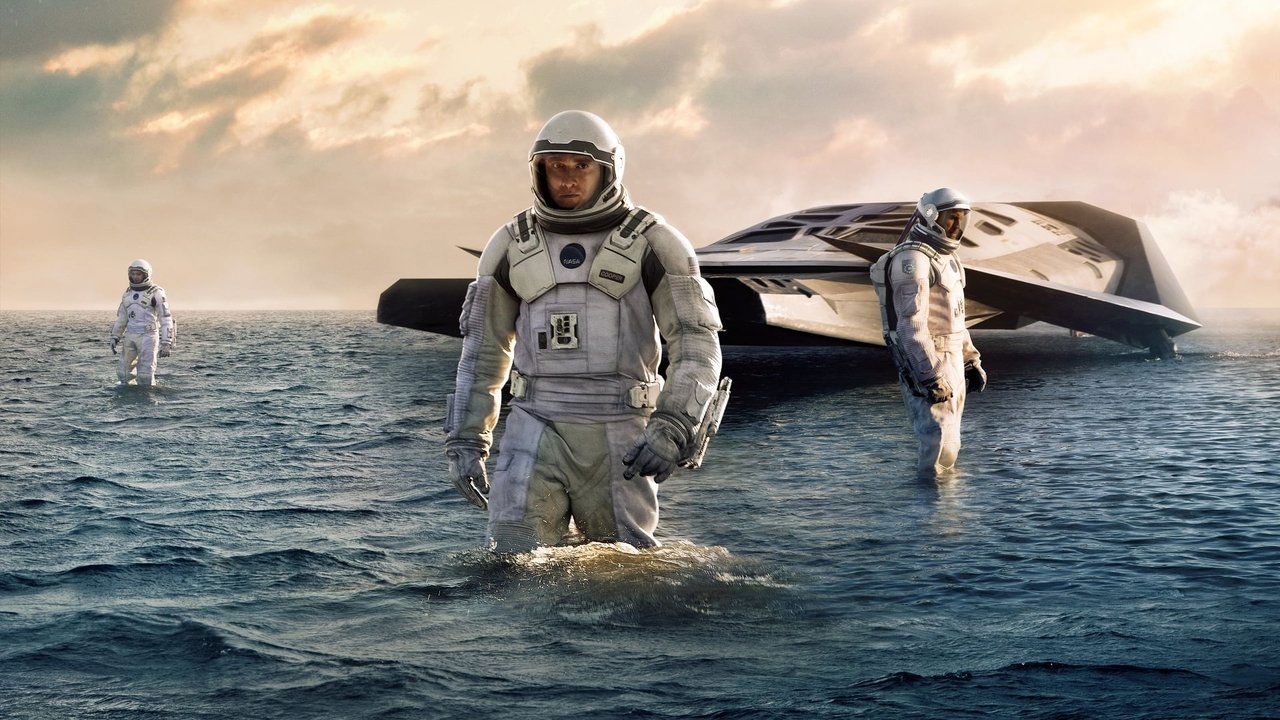

Christopher Nolan's films feel different from other blockbusters. Viewers who cannot articulate why are responding to something real. This essay identifies what that something is.
It is not the complexity, although complexity is a component. It is not the scale, although scale is a component. It is a specific set of structural and formal choices that Nolan makes consistently across every film, regardless of genre or subject matter.
He Structures Films Around Time as a Problem
Every Nolan film is built around a problem with time.
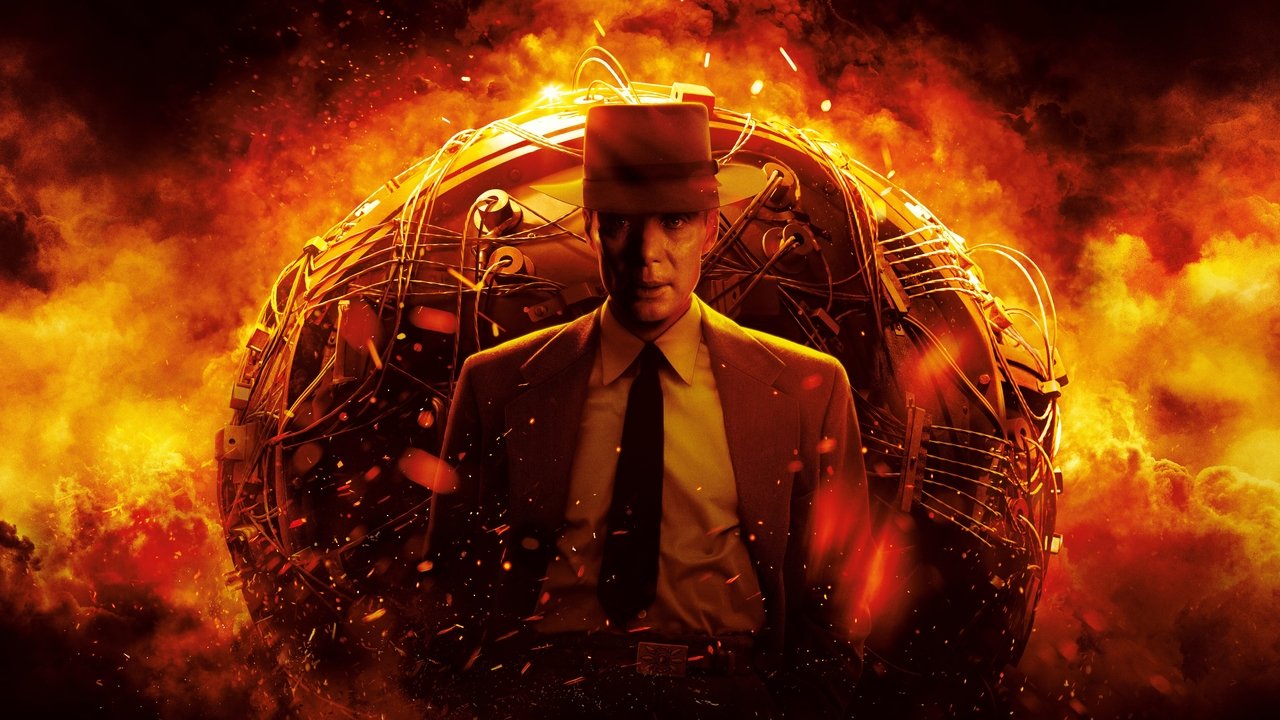
Memento inverts chronology to put you inside the experience of a man who cannot form new memories. The Dark Knight gives its villain a plan that operates on a different timeline than its protagonist. Inception adds dream-layer time dilation that multiplies the urgency of every sequence. Interstellar makes time literally cost something. Dunkirk tells the same forty-eight hours from three different temporal vantage points simultaneously. Oppenheimer cuts between periods to create a verdict that precedes its own evidence.
This is not a stylistic preference. It is a philosophical commitment. Nolan's films are consistently about what time does to people — what it costs, what it forecloses, what it might recover. The structural choices enforce the theme rather than illustrating it.
He Uses Scale to Create Intimacy
Most blockbusters use scale to achieve spectacle. Nolan uses scale to isolate individual human stakes against an overwhelming background.
Dunkirk is the clearest example. The Dunkirk evacuation involved 338,000 soldiers. Nolan's film follows approximately three people. The scale — the armada, the beach, the aerial combat — is deployed not to show the grandeur of the event but to make the smallness of each individual survival feel precise and fragile.
Interstellar's cosmic scale serves a similar function. The film's emotional weight rests entirely on a father-daughter relationship. The black holes and wormholes exist to separate them in a way that is literally irreversible — and then to examine the cost of that irreversibility at the scale of individual grief.
When a Nolan film feels epic, it is usually because the personal stakes have been placed against the largest possible backdrop to make their weight legible.
He Does Not Score Emotional Moments the Obvious Way
Hans Zimmer's scores for Nolan's films are deliberately anti-melodic at key emotional moments. The music in Interstellar does not swell when Cooper watches the video messages. It becomes something more abstract — an organ pattern that refuses to resolve. The effect is that the audience's emotion has nowhere to go and accumulates.
This is a technical choice with a specific emotional result. Conventional scoring tells you when to feel. Zimmer and Nolan's approach tells you where to look and then removes the emotional instruction, leaving you responsible for your own response.
The tickertape sound in Dunkirk — the relentless clock-like percussion that underpins large sections of the film — is the same strategy. It prevents relaxation. There is no moment where the sound design signals safety.
He Takes His Premises Completely Seriously
Nolan commits to his premises at a level that most filmmakers abandon under commercial pressure.
Memento's premise requires that the audience experience disorientation alongside the protagonist. Nolan does not provide orientation scenes that explain the structure. You are dropped in and expected to work.
Inception's dream logic is internally consistent across five levels of nested narrative. Nolan worked out the rules and held to them. When viewers find plot holes, they are usually not plot holes — they are features of the dream logic that were not attended to carefully.
This seriousness of commitment is what separates Nolan's films from concept films that use their premises as hooks and then abandon them. The premise is the architecture, not the marketing.
He Casts Against Emotional Expectation
Nolan regularly casts actors in roles that resist their established persona.
Heath Ledger's Joker is the most famous instance — casting an actor known for romantic leads as the decade's definitive screen villain, then giving him physical mannerisms and vocal choices that made the performance unrecognisable. Tom Hardy in The Dark Knight Rises communicates an entire character through eyes and body alone. Matthew McConaughey in Interstellar stripped his persona to something quieter and more specifically pained than his previous work had suggested was available to him.
The result is that Nolan's films regularly produce performances that feel like they arrived from a more demanding creative context than their genre should allow.
Related Watchaao Collections
- Why Interstellar Is Still Relevant — a deeper look at the specific film that demonstrates most of this.
- Best Mind-Bending Movies Ever Made — Nolan's films in the broader tradition of structurally ambitious cinema.
- Movies That Are Worth Rewatching — the films, including several Nolan entries, that sustain multiple viewings.













Community
Join the conversation
Native comments are planned for watchaao. For now, send your thoughts through the upcoming community channels.